Railway stations are more than just transportation hubs—they are architectural landmarks, economic centers, and gateways connecting millions of people every day. Across the world, some railway stations stand out for their enormous size, passenger traffic, number of platforms, and advanced infrastructure.
If you’re curious about the top 10 biggest railway stations in the world, this guide covers the largest and most impressive railway stations based on overall scale, passenger capacity, platform count, and global significance.
Which Is the Biggest Railway Station in the World?
The title of the world’s largest railway station can vary depending on the criteria used. By floor area and infrastructure, Nagoya Station is often regarded as one of the largest station complexes in the world, while Grand Central Terminal holds the record for the largest number of platforms.
Top 10 Biggest Railway Stations in the World
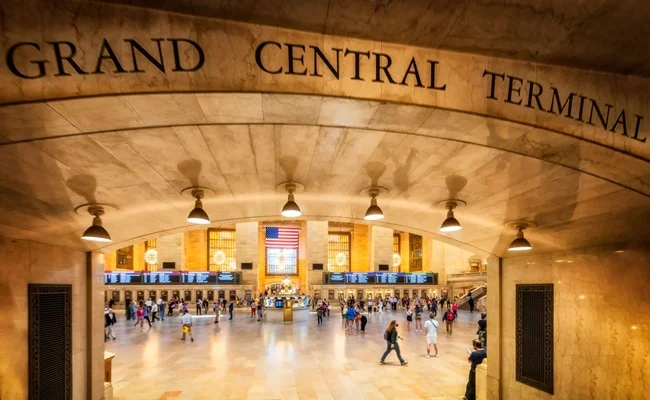
1. Grand Central Terminal (USA)
Why It’s Famous
- 44 platforms
- 67 railway tracks
- Historic Beaux-Arts architecture
- One of the world’s most iconic stations
Located in Manhattan, Grand Central Terminal is among the largest and busiest railway terminals globally.
2. Nagoya Station (Japan)
Highlights
- Massive station complex
- Integrated shopping malls and hotels
- Major stop on Japan’s Shinkansen network
Nagoya Station is often cited as one of the largest railway station buildings in the world by floor area.
3. Beijing South Railway Station (China)
Highlights
- One of Asia’s largest railway stations
- Designed for high-speed rail operations
- Modern circular architecture
The station serves millions of passengers annually and is a major hub for China’s extensive high-speed rail network.
4. Berlin Hauptbahnhof (Germany)
Highlights
- Europe’s largest multi-level railway station
- Glass-and-steel modern design
- Major international rail hub
Berlin Hauptbahnhof connects Germany with several European countries.
5. Gare du Nord (France)
Highlights
- Europe’s busiest railway station
- International Eurostar services
- Connects France with the UK, Belgium, and the Netherlands
The station handles hundreds of millions of passengers each year.
6. Tokyo Station (Japan)
Highlights
- Central hub of Japan’s railway network
- Multiple Shinkansen routes
- Historic red-brick architecture
Tokyo Station is one of the most important transportation hubs in Asia.
7. Shinjuku Station (Japan)
Highlights
- World’s busiest railway station by passenger traffic
- Millions of passengers daily
- Extensive suburban and metro connectivity
Shinjuku Station is a transportation marvel that never seems to sleep.
8. Moscow Kazansky Railway Station (Russia)
Highlights
- One of Russia’s largest railway terminals
- Distinctive Russian architecture
- Key gateway to eastern Russia
The station is part of Moscow’s famous railway terminal network.
9. Howrah Junction Railway Station (India)
Highlights
- 23 platforms
- One of the busiest stations in India
- Historic railway hub since 1854
Howrah Junction is India’s largest railway station by platform count and one of the busiest in the world.
10. St Pancras International (United Kingdom)
Highlights
- Victorian Gothic architecture
- Eurostar international services
- Major transport hub in London
The station combines heritage architecture with modern railway operations.
Comparison Table of the World’s Biggest Railway Stations
| Railway Station | Country | Special Feature |
| Grand Central Terminal | USA | Most platforms |
| Nagoya Station | Japan | Huge station complex |
| Beijing South | China | High-speed rail hub |
| Berlin Hauptbahnhof | Germany | Largest station in Europe |
| Gare du Nord | France | Europe’s busiest station |
| Tokyo Station | Japan | Shinkansen hub |
| Shinjuku Station | Japan | World’s busiest by passengers |
| Moscow Kazansky | Russia | Major Russian terminal |
| Howrah Junction | India | Largest station in India |
| St Pancras International | UK | International rail gateway |
What Makes a Railway Station “Big”?
Several factors are used to determine the size of a railway station:
Number of Platforms
More platforms allow a station to handle more trains simultaneously.
Passenger Traffic
Some stations serve millions of passengers every month.
Total Area
The physical size of station buildings, concourses, and railway yards.
Connectivity
Stations that connect multiple rail networks are generally considered larger and more important.
Infrastructure
High-speed rail terminals, shopping centers, hotels, and metro connections increase a station’s overall scale.
Interesting Facts About the World’s Largest Railway Stations
- Shinjuku Station in Tokyo handles the highest daily passenger traffic globally.
- Grand Central Terminal has more platforms than any other railway station.
- Berlin Hauptbahnhof is built on multiple levels with trains running both east-west and north-south.
- Nagoya Station is one of the world’s largest station buildings by floor space.
- Howrah Junction is among the oldest major railway stations still operating in Asia.
Travel Tips for Visiting Major Railway Stations
Arrive Early
Large stations can be confusing for first-time visitors.
Check Platform Information
Platforms may change, especially at busy terminals.
Use Official Railway Apps
Most countries offer real-time train updates.
Keep Your Tickets Ready
Security and ticket inspections are common at major stations.
Follow Signage Carefully
Large stations often have multiple entrances and exits.
FAQs
Q: Which is the biggest railway station in the world?
A: Grand Central Terminal and Nagoya Station are often considered the world’s largest depending on the measurement used.
Q: Which railway station has the most platforms?
A: Grand Central Terminal in New York has 44 platforms and 67 tracks.
Q: Which is the busiest railway station in the world?
A: Shinjuku Station is widely recognized as the busiest railway station in the world by passenger traffic.
Q: Which is the biggest railway station in India?
A: Howrah Junction Railway Station is India’s largest railway station by platform count.
Q: Which is the largest railway station in Europe?
A: Berlin Hauptbahnhof is considered Europe’s largest railway station by size and infrastructure.
Conclusion
The world’s biggest railway stations showcase the incredible scale of modern transportation. From the historic grandeur of Grand Central Terminal and St Pancras International to the high-speed efficiency of Beijing South and Tokyo Station, these railway hubs play a vital role in moving millions of passengers every day.
Whether you’re a traveler, railway enthusiast, or someone fascinated by global infrastructure, visiting these top 10 biggest railway stations in the world offers a unique glimpse into the engineering achievements and cultural significance of rail transport across continents.